



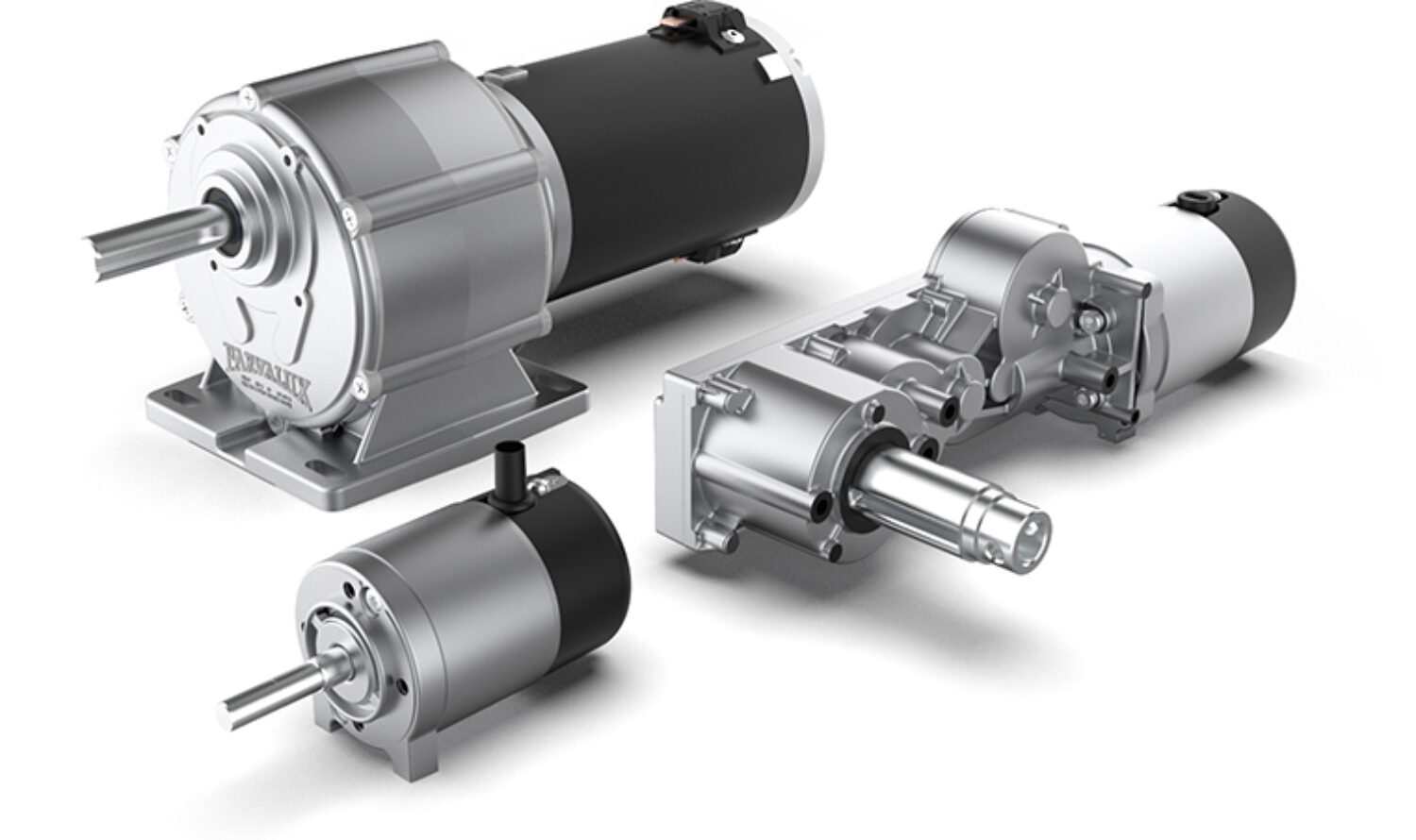
Machines around us move because of electric motors, from home tools to factory systems. Numerous people see these units every day, yet do not know how they work or why diverse types exist. Learning the basics helps you make the correct choice for a project or study perseverance. You will understand common models, modest parts, and practical uses without facing complex terms. Clear details help you build strong basics before moving into deeper technical study later.
Direct Current Motor Basics
A direct current motor uses steady power from a battery or supply unit to create rotation. Brushes and a commutator help change the current direction inside the unit. This design offers easy speed control, making it useful for small tools, toys, and training kits in basic learning setups.
Alternating Current Motor Overview
An alternating current motor runs on a changing electrical supply commonly available in buildings. It makes a rotating magnetic force that moves the shaft easily. These units are widely used in pumps, fans, and large machines because they handle higher loads with a simple structure and steady performance.
Induction Motor Working Principle
An induction motor operates without brushes by using magnetic induction to make motion. When current flows through the stator, it forms a rotating magnetic pattern. This pattern induces current in the rotor, causing movement. Its strong build reduces wear, making it common in heavy-duty systems.
Choosing the Right Motor
Choosing the correct unit depends on power wants, control level, and working load. Keep these points in mind.
- Check required torque output carefully before selecting a motor for heavy equipment use.
- Consider available power supply type and voltage stability for safe operation.
- Review speed control needs for accurate movement in your project setup.
- Compare maintenance demands between brushed and brushless designs carefully.
- Ensure physical size matches installation space without blocking airflow circulation.
Brushless Motor Features
Brushless motors remove physical brushes and use electronic control instead. This reduces friction and heat, refining lifespan and dependability. They offer quiet operation with better efficiency compared to brushed types. Many modern devices rely on brushless systems for smooth control and reduced maintenance needs.
Stepper Motor Operation
A stepper motor moves in small fixed steps rather than continuous rotation. Electronic signals control each step with accuracy. This feature makes it suitable for printers, simple robotics, and positioning systems where exact movement matters more than high-speed output.
Servo Motor Function
A servo motor combines a motor, controller, and feedback system in one unit. It adjusts position based on signals received from a control device. Because of feedback control, it delivers precise angle movement and steady torque, which is helpful in automated systems and model builds.
Linear Motor Concept
A linear motor produces motion in a straight path instead of rotation. It works like an unfolded rotary motor. This type is useful in sliding doors, transport tracks, and automated equipment where straight movement is required without converting rotary motion.
Key Learning Points
Understanding motor types becomes easier when you focus on simple factors first. Study these ideas.
- Learn how magnetic force converts electrical input into useful mechanical rotation.
- Identify differences between direct current and alternating current power systems.
- Observe how control circuits manage speed and direction changes safely.
- Notice how cooling methods protect internal parts from overheating damage.
- Practice basic wiring steps under guidance before testing new equipment.
When you compare torque, speed control, efficiency, and upkeep needs, choices become easier and safer. Clear understanding prevents wrong purchases and supports better project planning. With steady learning and careful comparison, you can confidently work with electric motors in study tasks or practical setups without confusion or risk.
